Marmaris, Turkish Riviera
Full Day Turtle Beach Tour With Lake
★★★★★(253)
Free Cancellation
from $30
Book Now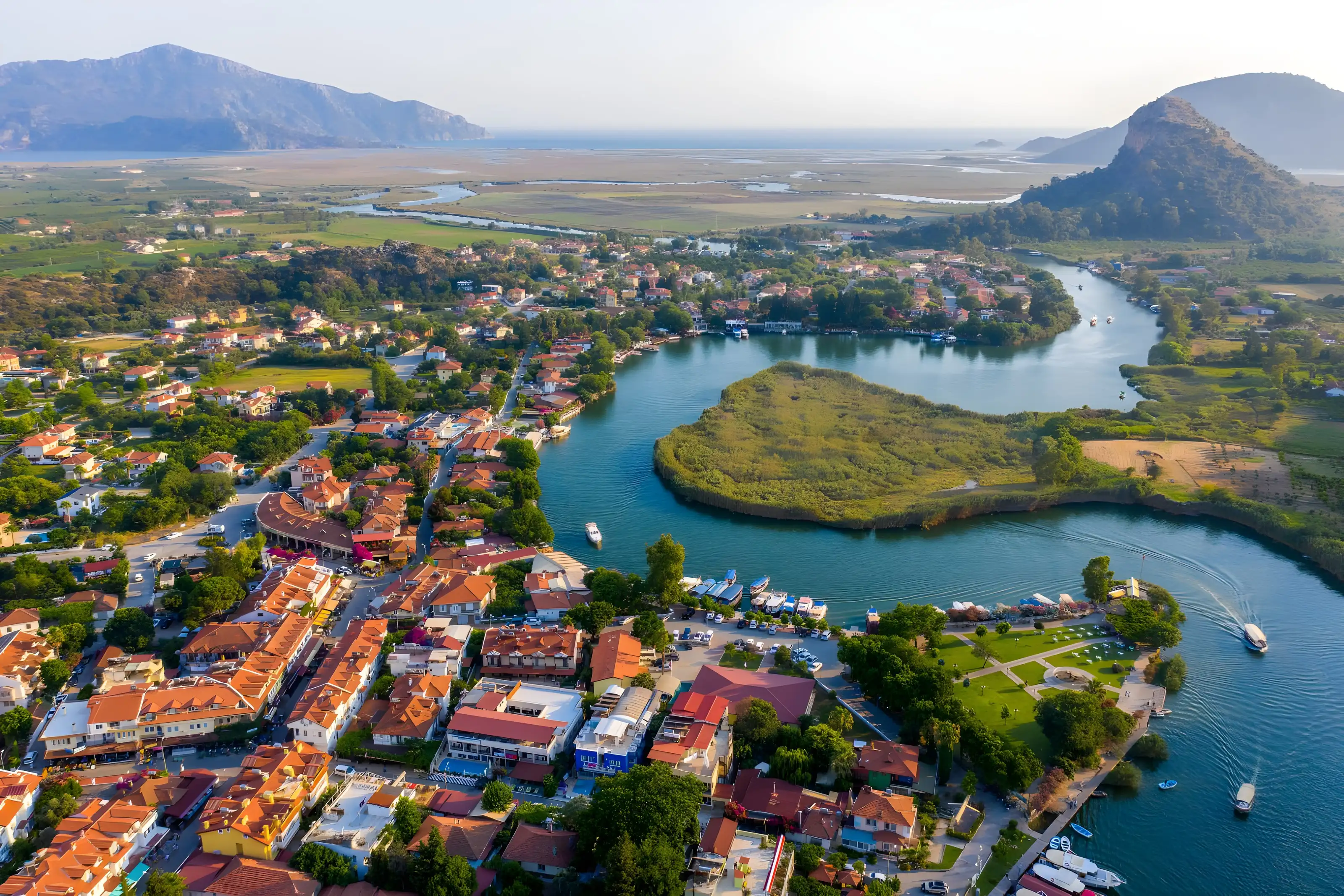
Your gateway to Turkey's hidden paradise
Explore DalyanDalyan is a small riverside town on Turkey's south-west coast, in the Ortaca district of Muğla province. It sits on the Dalyan river, which winds through a reed-filled delta from Lake Köyceğiz to the Mediterranean, and the whole area is protected as the Köyceğiz–Dalyan Specially Protected Area.
Dalyan is famous for the rock tombs carved into the cliffs opposite the town, the ancient city of Kaunos, Iztuzu Beach where loggerhead turtles nest, its mud baths and hot springs, and the boat trips that link them all. With no beach in town and no high-rise hotels, it feels quieter and greener than the big resorts nearby, yet Dalaman Airport is only 29 km away.

The classic way to see Dalyan: tombs, mud baths and the beach in one day.

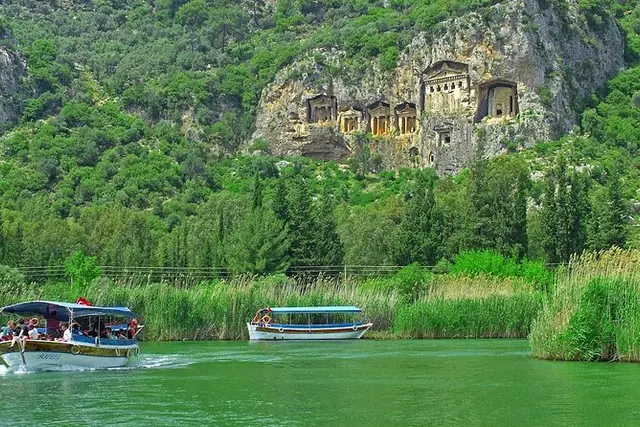
Temple-fronted tombs carved into the cliff opposite the town in the 4th century BC.
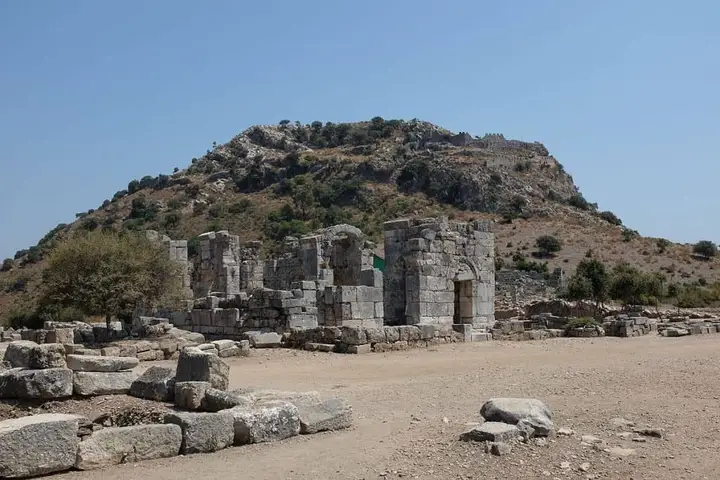
Theatre, harbour and temples of a 2,800-year-old port city across the river.
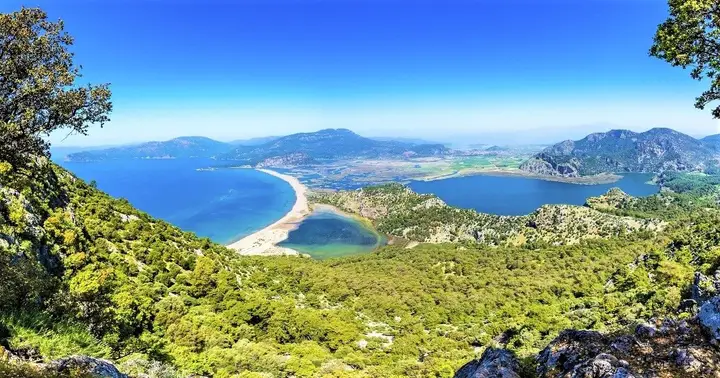
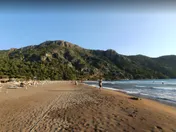
4.5 km of sand between the sea and the delta, home to nesting loggerhead turtles.
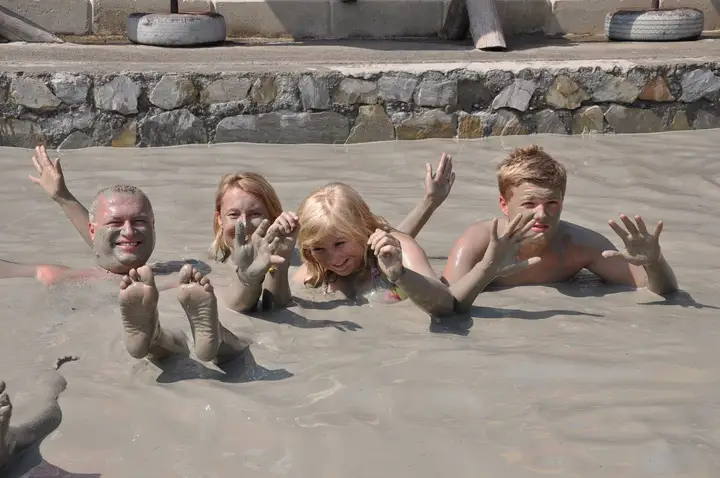
The Dalyan mud baths and the 39°C Sultaniye springs on Lake Köyceğiz.
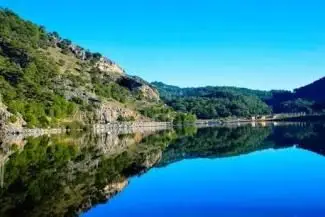
A quiet reed-fringed lake on the road to Iztuzu.
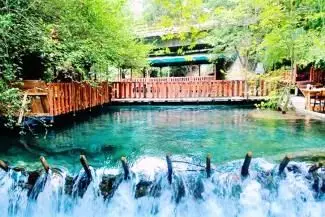
An ice-cold mountain stream with riverside restaurants near Köyceğiz.
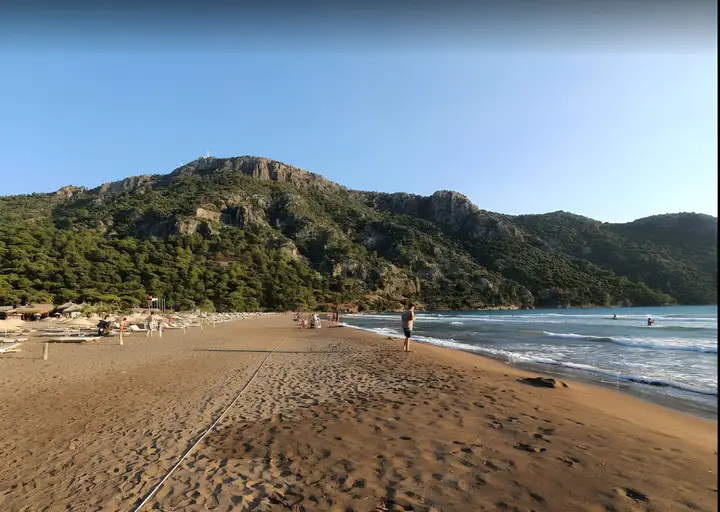
Sarıgerme, Aşı Bay, Ekincik and boat-only coves nearby.
Discover the best tours and activities in Dalyan, from river cruises to ancient ruins
Marmaris, Turkish Riviera
★★★★★(253)
Free Cancellation
from $30
Book Now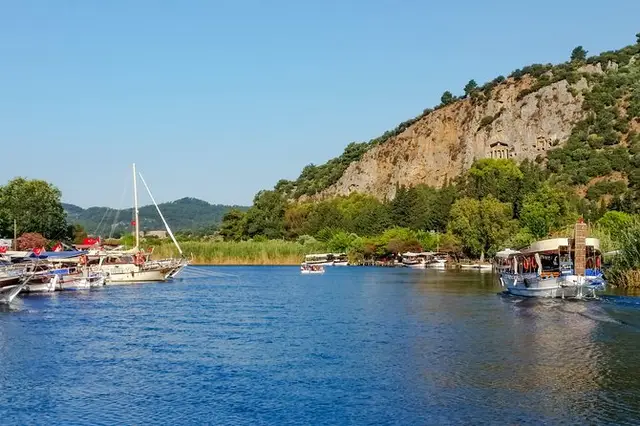
Marmaris, Turkish Riviera
★★★★★(46)
Free Cancellation
from $32.00
Book Now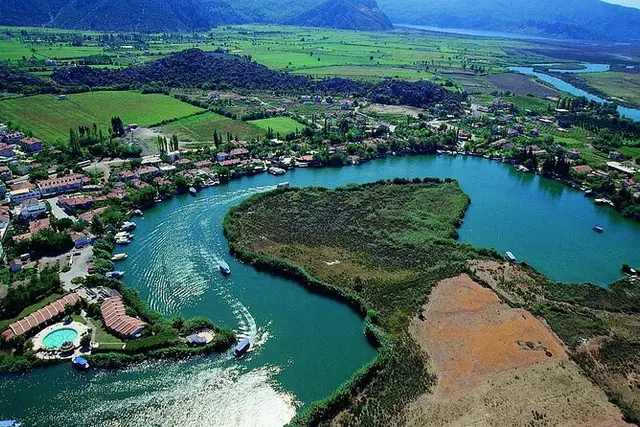
Fethiye, Turkish Riviera
★★★★★(375)
Free Cancellation
from $50.00
Book Now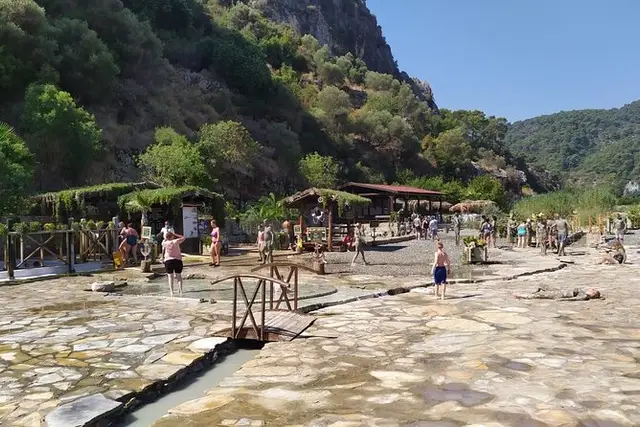
Dalyan, Turkish Riviera
★★★★★(120)
Free Cancellation
from $50.00
Book Now
Continue reading

Place to Visit

Things to Do

Dalyan is a small town in the Ortaca district of Muğla province, on Turkey's south-west coast. It lies on the Dalyan river between Lake Köyceğiz and the Mediterranean, about 29 km by road from Dalaman Airport.
Yes, especially for nature and history lovers. In a small area you have the Kaunos rock tombs and ancient city, Iztuzu Beach with its nesting loggerhead turtles, mud baths and hot springs, and beautiful river boat trips, in a town without high-rise hotels.
There is no beach in the town itself, which sits on the river. The nearest beach is Iztuzu (Turtle Beach), about 40 minutes away by river boat or 12 km by road.
The best time to visit Dalyan is from April to October when the weather is warm and perfect for outdoor activities. July and August are the hottest months, while spring (April-May) and autumn (September-October) offer milder temperatures ideal for exploring the ruins and taking boat trips.
You can reach Dalyan from Dalaman Airport (29 km away) by taxi (approximately 30 minutes), private transfer, or shuttle service. Many hotels offer airport pickup services. Public transport options are also available but may require changes and take longer.
Key attractions include the ancient city of Kaunos, Lycian Rock Tombs, İztuzu Beach (Turtle Beach), Mud Baths, and the Dalyan River. Taking a boat trip along the river is one of the best ways to see multiple attractions in one day.
İztuzu Beach is open for swimming from May to October. Parts of the beach may be restricted during the sea turtle nesting season (May-October) to protect the endangered Caretta Caretta turtles. The beach is still accessible for visitors during this time.
While mud baths are generally safe, people with heart conditions, high blood pressure, or skin sensitivities should consult their doctor before visiting. The mud is rich in minerals and believed to have therapeutic properties, but it's important to follow the posted guidelines.